
Information.
Vascular ultrasound is a non-invasive imaging test that uses high-frequency sound waves to evaluate the body’s circulatory system, specifically the arteries and veins. This procedure helps identify blockages, blood clots, and other vascular conditions.
Preparation.
To ensure optimal results from your vascular ultrasound, consider the following recommendations:
- Clothing: Wear comfortable, loose-fitting clothing to allow easy access to the area being examined.
- Avoid Lotions or Oils: Refrain from applying lotions, oils, or powders on the day of the exam, as these can interfere with the ultrasound equipment’s ability to capture clear images.
- Hydration: Maintain normal hydration unless otherwise instructed by your healthcare provider.
- Fasting: Some vascular ultrasounds, especially those involving abdominal vessels, may require fasting for several hours before the procedure. Follow any specific instructions provided by your healthcare provider.
- Medical History: Be prepared to discuss your medical history, including any medications you’re taking, as certain conditions or medications can affect blood flow and may be relevant to the examination.
By following these guidelines, you can help ensure that your vascular ultrasound provides accurate and useful information for your healthcare provider.
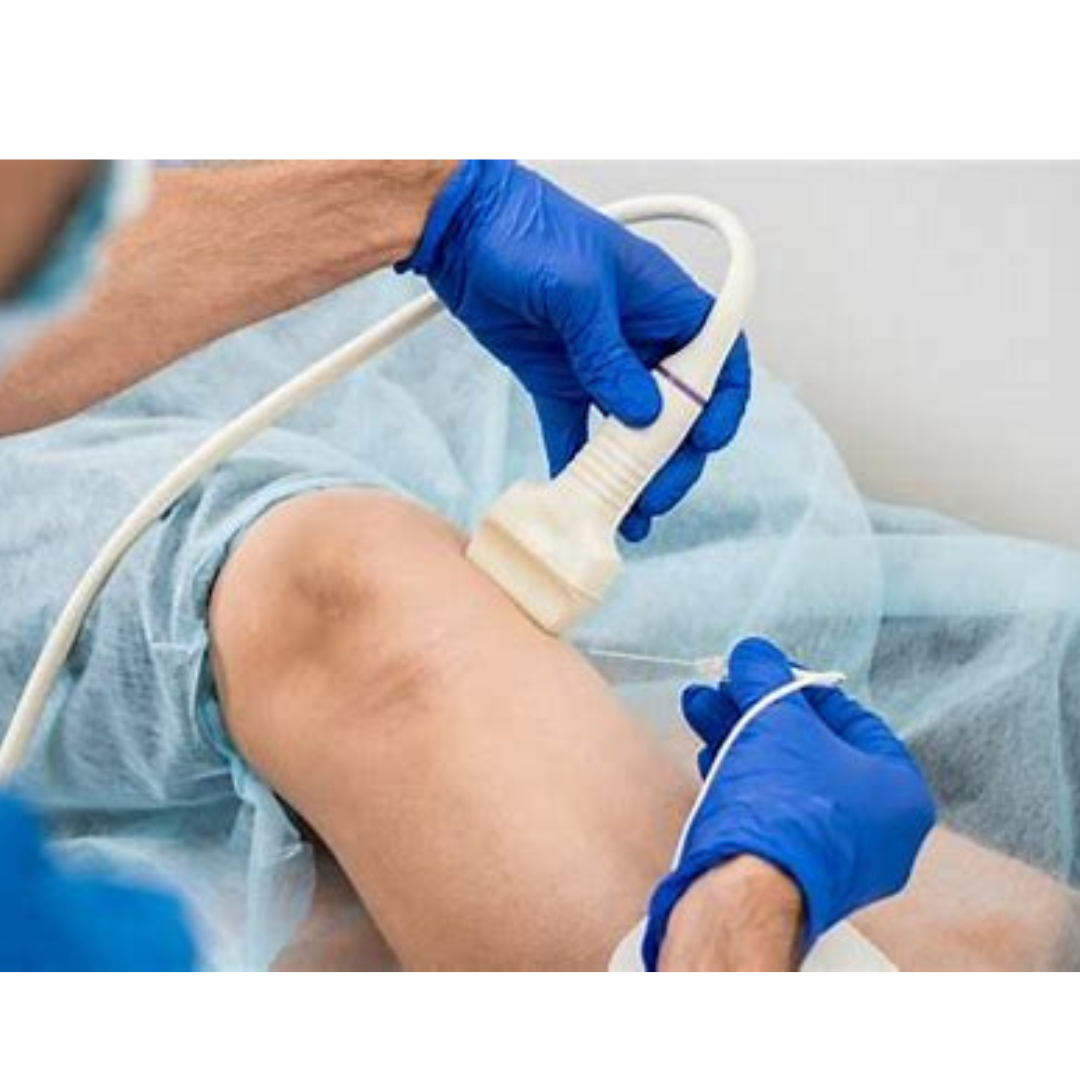
Diagnosing Vascular Conditions: Vascular ultrasounds are essential for detecting issues such as blood clots, narrowed blood vessels, and other abnormalities in the circulatory system.
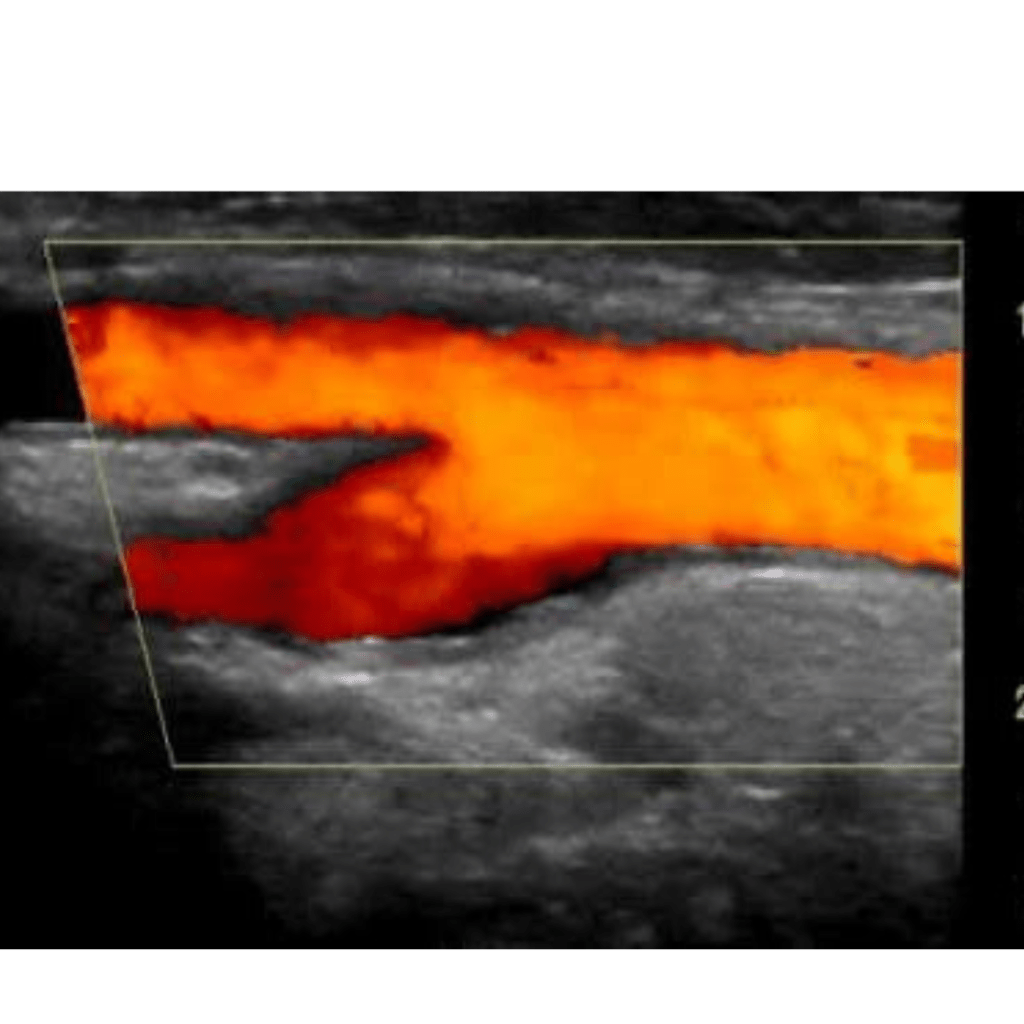
Evaluating Blood Flow: The test assesses how blood flows through your arteries and veins, aiding in the diagnosis of conditions like peripheral artery disease and venous insufficiency.
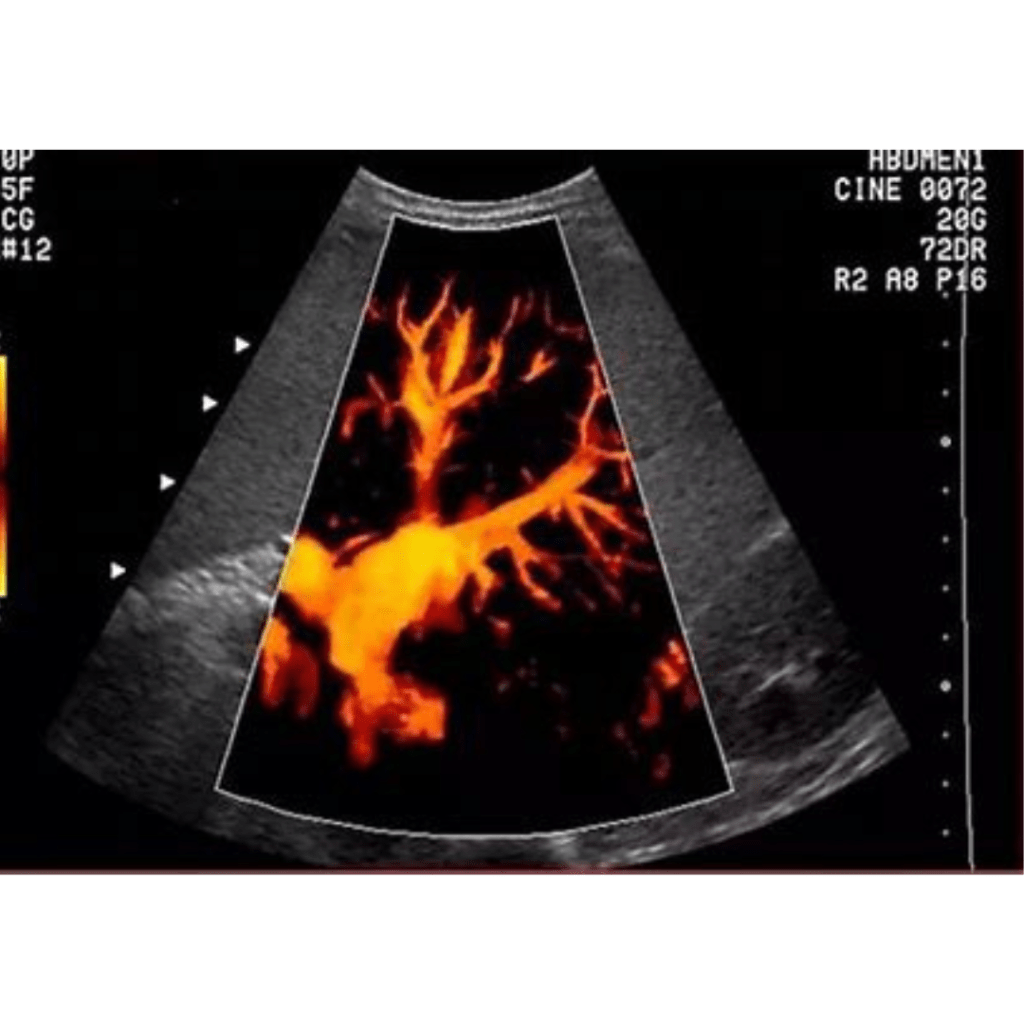
Guiding Treatment Plans: Results from a vascular ultrasound can help healthcare providers determine the most appropriate treatment options, such as angioplasty or monitoring blood vessel health after bypass surgery.
 Ecoworldsye