
Information.
Comprehensive monitoring during the first, second, and third trimesters of pregnancy, including 3D, 4D, and 5D imaging for a more intimate experience.
Preparation.
Before attending an obstetric ultrasound, consider the following recommendations to ensure optimal image quality:
Hydration: In the first trimester, it’s advisable to drink approximately 32 ounces (about 1 liter) of water one hour before the exam and avoid urinating. A full bladder enhances the visualization of the uterus and embryo.
Avoid creams or oils: Refrain from applying creams or moisturizing oils on your abdomen on the day of the exam, as they can interfere with the quality of the images obtained.
Consumption of sweet foods: Some sources suggest that consuming a small amount of sweet foods, such as chocolate, approximately 30 minutes before the ultrasound may stimulate fetal movement, facilitating visualization.
Comfortable clothing: Wear two-piece outfits that allow easy access to the abdominal area, making the procedure more convenient.
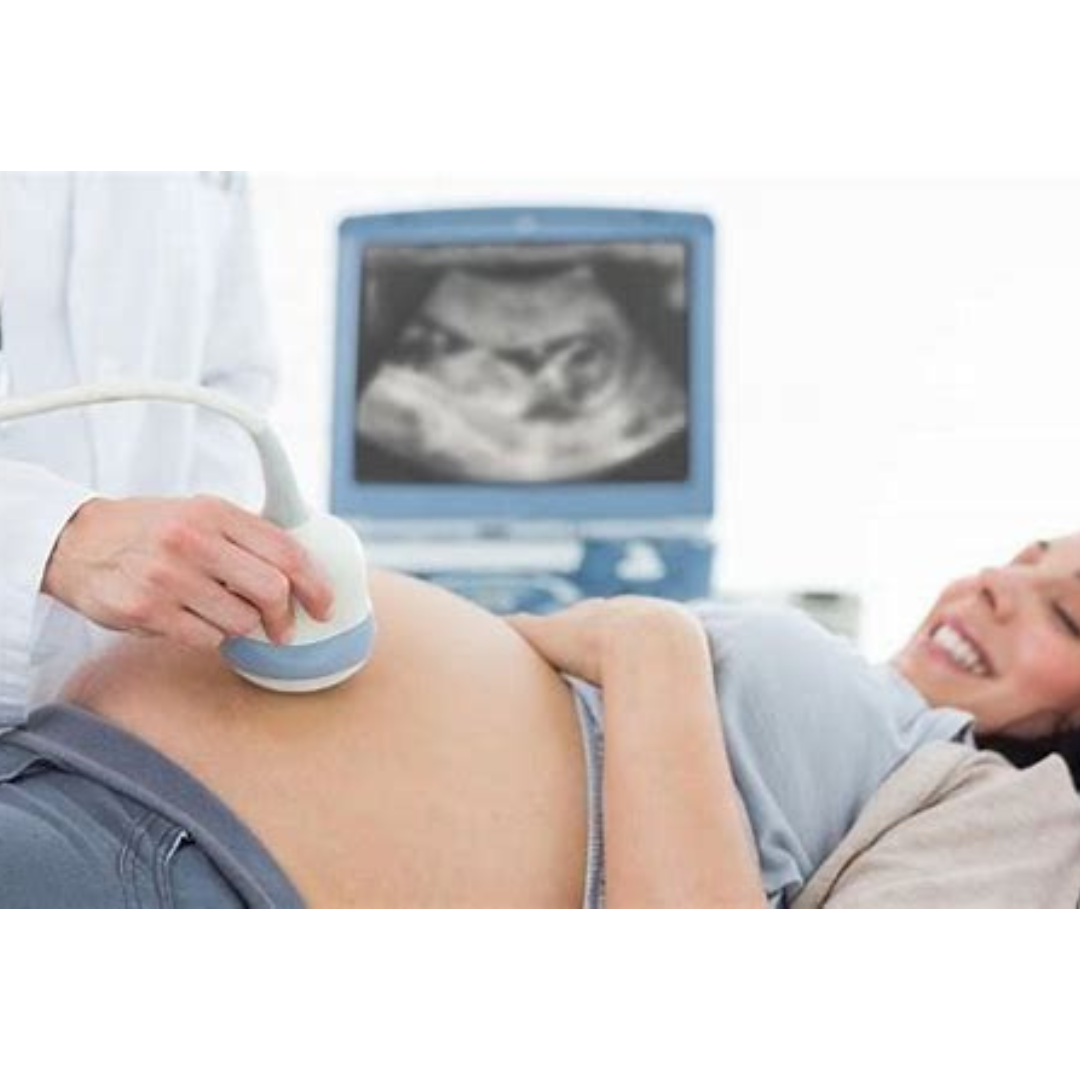
Ultrasounds are essential tools during pregnancy that allow us to visualize and monitor your baby’s development. Here’s an overview of the different types of ultrasounds and their uses:
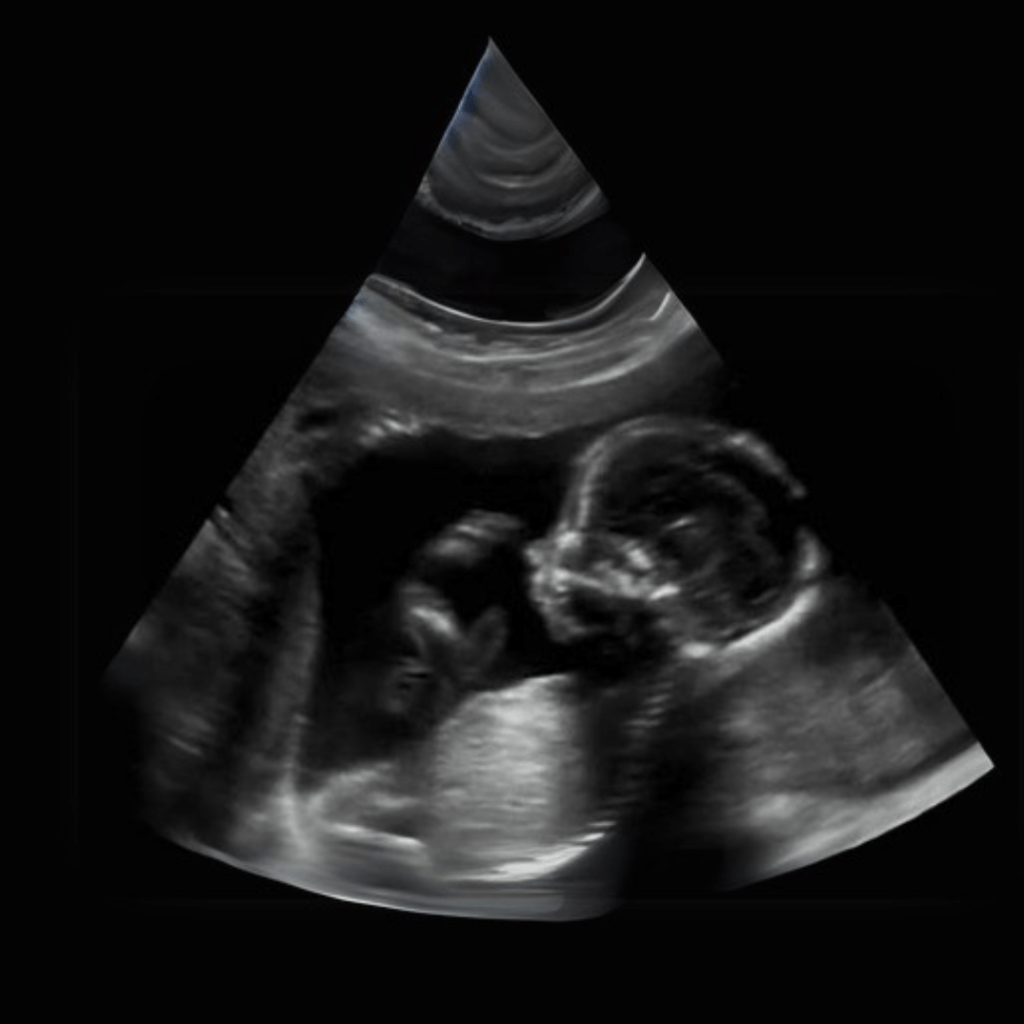
2D ultrasound.
This is the traditional ultrasound that produces two-dimensional black and white images. It’s primarily used to assess the baby’s internal anatomy, measure growth, and detect potential anomalies. It’s fundamental for monitoring fetal development and maternal health.

3D ultrasound.
Provides static three-dimensional images of the baby, allowing clearer views of surface details like the face and limbs. While its main use is to offer a more detailed view for parents, it can also help identify certain physical anomalies.

4D ultrasound.
Adds the dimension of time to the 3D ultrasound, showing moving images in real-time. This allows observation of the baby’s movements, such as smiles or yawns, and assesses their behavior and well-being more dynamically.
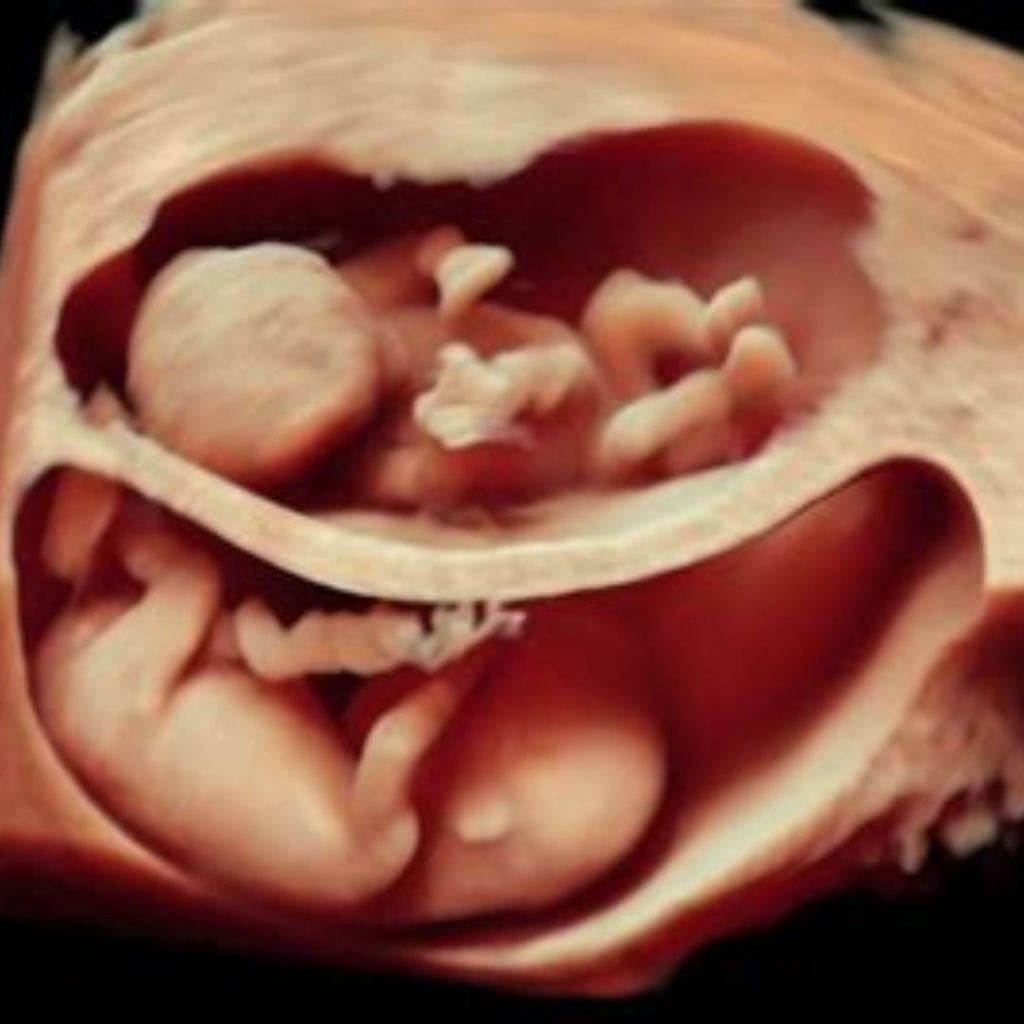
5D ultrasound
An evolution of the 4D ultrasound, offering images with greater clarity and realism. Although its main appeal is providing a more vivid experience for parents, it can also be useful in the detailed evaluation of fetal anatomy.
 Ecoworldsye